

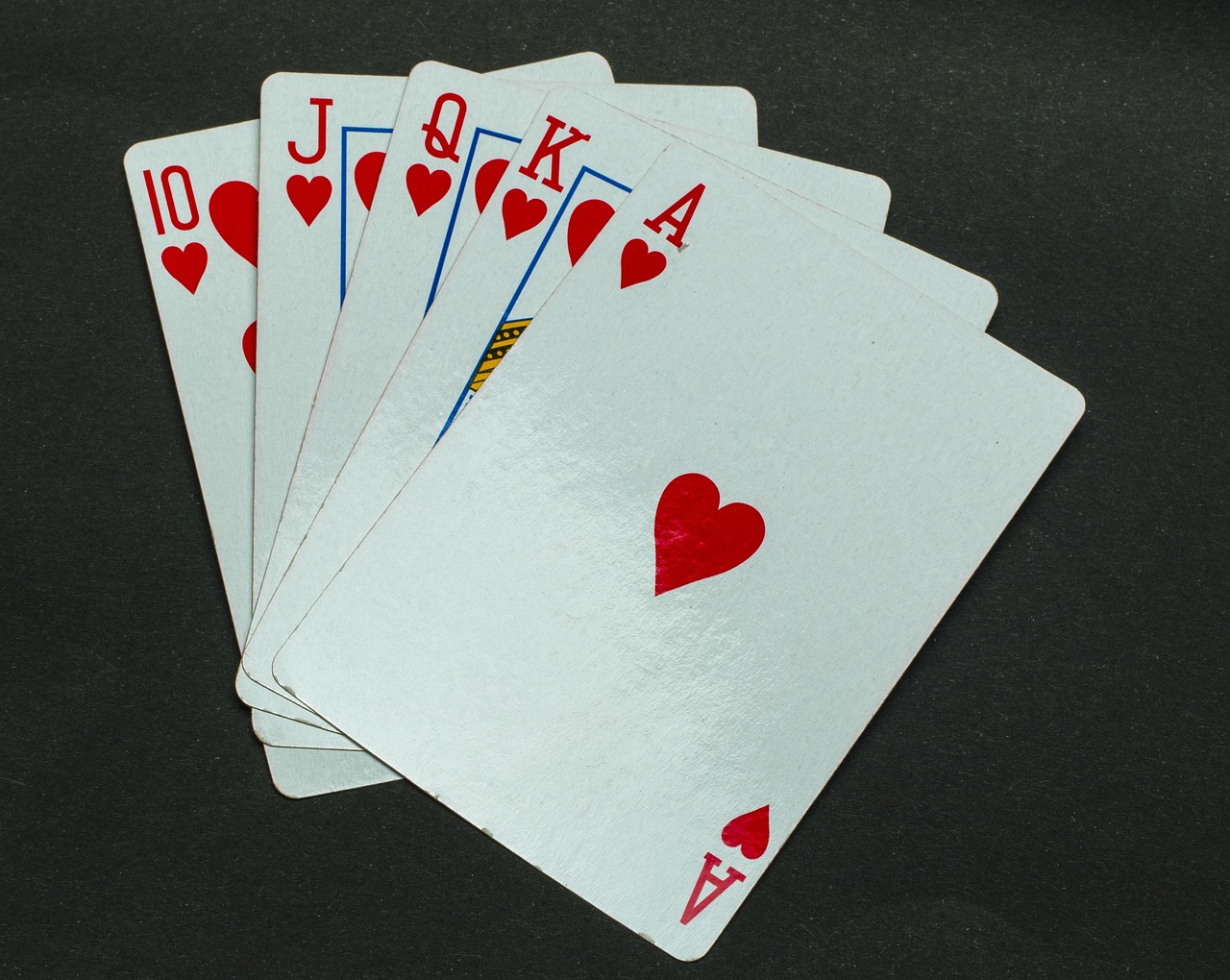
Every gambler remembers their best session. The night the slots couldn't stop paying. The parlay that hit on the last leg. What almost nobody remembers is the session where they slowly bled chips for four hours and couldn't tell you a single hand they misplayed. That asymmetry is the whole problem. In iGaming, the wins write themselves into memory and the losses become background noise — which is exactly why so many players ride the same strategy for years without ever asking whether it actually works.
I spent years treating variance like a personal insult and then like a personal gift, depending on the week. The shift only happened when I started separating things I control from things I don't. That one distinction is worth more than any betting system sold on the internet.
Variance Is Not Your Enemy, But It Is a Liar
Variance is just the statistical spread of outcomes around an expected value. In a game like blackjack with basic strategy, the house edge sits around 0.5%. That sounds tiny, and over a million hands it is. Over 200 hands in an evening, it is almost irrelevant next to the noise. You can play perfectly and lose. You can play terribly and win big. Both happen constantly.
The lie variance tells is that results equal skill. A player who wins three sessions in a row starts believing they've cracked something. A player who loses three in a row either quits out of frustration or doubles down to prove the universe wrong. Neither response is based on data.
If you want a rough gut-check for slot volatility, ask what the hit frequency and max win multiplier look like. A high-volatility slot with a 1-in-200 hit frequency for meaningful wins will produce brutal dry spells. Knowing that upfront doesn't make the dry spell hurt less, but it stops you from assuming the machine is somehow broken.
Quick reality check numbers
- European roulette: 2.7% house edge, identical on every bet type except the five-number basket
- Blackjack with perfect basic strategy: roughly 0.5%
- Typical modern video slot: 2% to 10%, depending on the provider and RTP setting
- Casino poker (rake only): theoretically the lowest edge — if you're genuinely better than the table
Notice the last one. Poker is the only major game where the house doesn't beat you directly. That's why serious players gravitate there. It's also why bad players get hurt faster, because they're not losing to a fixed edge — they're losing to a person who is actively exploiting them.
The RTP Conversation Nobody Wants to Have
Return to Player (RTP) is theoretical, tested over millions of spins. A 96% RTP slot doesn't owe you 96 back after 100 spins. It might pay 40. It might pay 180. Over 10 million spins, it converges. Over your Friday night, it does whatever it wants. For more on this, see สล็อต.
The more useful insight is that RTP is often configurable. Some jurisdictions permit multiple RTP versions of the same game. The same title can run at 94% on one platform and 96.5% on another. That difference, compounded over thousands of bets, is enormous. If a platform doesn't publish RTP clearly per game, that tells you something about how they view transparency.
Bonuses complicate this further. A 100% match bonus with 40x wagering on slots where slots only contribute 20% toward the requirement means your effective requirement is closer to 200x the bonus. Do the math before you accept anything. Every bonus is a math problem written in seductive language.
Where Most Recreational Players Actually Lose Money
It isn't the games. It's the decision layer sitting on top of them. Here's the pattern I see repeatedly:
- Session length creep. Play extends from 45 minutes to four hours because stopping feels like admitting defeat. Time is the multiplier nobody counts.
- Chasing bonus terms. Clearing a bonus can force higher stakes and longer play than the player would ever choose voluntarily.
- Table selection blindness in poker. Sitting at a table with five regulars and one fish is a terrible use of your time, no matter how well you play.
- Emotional bet sizing. Slots bets and table limits doubled after a loss, quartered after a win. Neither is strategy.
- No stop-loss. Not a hard number written down. A vague feeling. Feelings negotiate. Written numbers don't.
Poker deserves its own paragraph here because the dynamics are different. In cash games, the biggest leak for most amateurs is playing too many starting hands and calling too much on the river. In tournaments, it's overvaluing survival and under-aggressive play near the bubble. Both mistakes feel safe while being expensive. The best thing you can do for your poker game is study one specific spot — say, three-bet pots out of position — until you can explain it to a friend. Stack small, useful edges.
Bankroll Management: The Boring Superpower
Bankroll management is unsexy and it's the single highest-leverage thing a gambler does. The principle: never risk enough to affect your ability to keep playing optimally. For casino games with a house edge, this mostly means setting a hard loss limit per session and per month, in advance, in writing.
For poker, where edge exists, it means discipline about stakes. A common framework:
- Cash games: 20 to 30 buy-ins for the stake you're playing
- Tournaments: 50 to 100 buy-ins, especially for high-variance MTTs
- If you drop below the threshold, move down. Move down, not sideways, and not up.
Moving down when you're losing feels like surrender. It's the opposite. It's preserving the capital that lets you play at all.
Reading Promotions Like a Skeptic
Every operator dresses bonuses to hide the real cost. Three terms matter more than the headline number:
- Wagering requirement — expressed as a multiplier, always on the bonus or bonus + deposit
- Game weighting — slots usually 100%, table games often 10% or excluded entirely
- Max bet / max cashout while clearing — the quiet killer that voids winnings
If you can't find those three in under two minutes, close the tab. Operators that want your business make them obvious. Operators that want your bankroll bury them in clause 14(b).
The Conclusion That Nobody Prints
The hard truth about iGaming is that the house wins over time, and just about every recreational player is paying for entertainment. That's fine — provided you know you're paying for it. A night at the slots is a product, priced in expectation. A poker session against weaker players is an investment with genuine upside. Knowing which one you're doing at any given moment is the entire game within the game. Play the numbers, respect the variance, and treat the losses like data rather than verdicts. That's the difference between a streak that ends and a leak that drains you for a decade.


Coding is used in almost all aspects of life and work now, be it directly or indirectly. It’s not just for companies in the tech sector. “An increasing number of businesses rely on computer code,
Coding is used in almost all aspects of life and work now, be it directly or indirectly. It’s not just for companies in the tech sector. “An increasing number of businesses rely on computer code,
Coding is used in almost all aspects of life and work now, be it directly or indirectly. It’s not just for companies in the tech sector. “An increasing number of businesses rely on computer code,