

Start with the change in your pocket
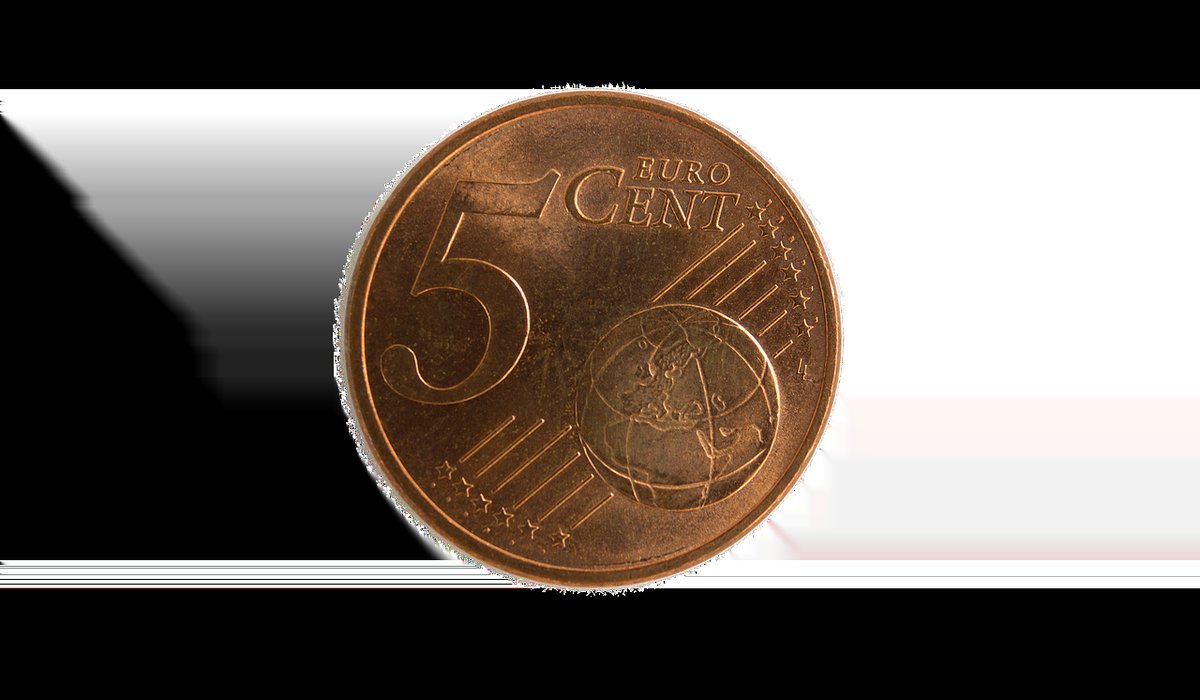
The best coin collection in Britain is already sitting in your coat pocket. Every 1p, 2p, 5p, 10p, 20p, 50p, £1 and £2 that passes through your hands is a legitimate collectable, and you can build a serious, satisfying collection without spending a penny over face value. This is how most UK numismatists begin, and plenty never stop.
All you need to start is a jar, a spare hour a week and a little patience. Tip your change out on the table, sort it into denominations, and look at the designs. Circulating coins change their reverse design constantly, especially the 50p and the £2. Every commemorative you spot is a coin somebody paid face value for and then spent, which means it is yours for the same price.
Get into the habit of checking every 50p and £2 before it goes in a till. Those two denominations carry the great majority of commemorative designs, and they are where beginners find their first genuine rarities.
Pick a theme and stick to it
The fastest way to overspend is to collect everything. A clear theme keeps you focused, makes your collection coherent and gives you a reason to walk past 90 per cent of what you see.
Good beginner themes include:
- One design per denomination — aim for a complete date run of a single coin type, such as every 50p reverse since 1969.
- A single commemorative series — the 2011 Olympic 50ps, the Beatrix Potter 50ps, or the annual £2 designs.
- One monarch or era — pre-decimal coins of George VI, or Elizabeth II decimal coinage from 1968 onwards.
- A single country or region — coinage of the Isle of Man, Jersey, Guernsey or Gibraltar, which circulates in the UK and turns up in change surprisingly often.
- A metal or size — bronze pennies, or the old large five and ten pence pieces.
Write your theme down. When you are tempted by something outside it, that piece of paper is your budget's best friend.
Learn the dates and varieties that matter
Knowledge is free, and it is the only thing standing between you and a dealer's markup. Before you spend anything, learn a handful of key facts about the coins you handle.
Mintage figures tell you how many were struck. A low mintage does not automatically mean valuable — millions can survive in drawers — but it is the first thing to check. The famous 2009 Kew Gardens 50p, with a mintage of just 210,000, is the classic example, and it is why collectors still check every 50p they receive.
Varieties matter too. A 1983 two pence struck with the old "new pence" wording instead of "two pence" is worth far more than its face value. An undated 20p, struck when the date side and the head side were mismatched, is another well-known error. Learn the handful of varieties in your chosen theme and ignore the rest until you are ready.
Buy a copy of a UK coin price guide and a mintage reference, or borrow one from your local library. Read it before you buy coins, not after.
Free and nearly free ways to find coins
You do not need a dealer to build a collection. In fact, at the start, dealers are the most expensive route available to you.
- Ask your bank for bags of coins at face value. Uncirculated bags of 1p, 2p, 5p and 10p occasionally throw up early dates and errors, and you can pay the rest back in.
- Join a local coin club. Most charge a few pounds a year, and members often swap duplicates for nothing. You will learn more in one evening than in a month of reading.
- Visit charity shops and car boot sales. Tins of mixed coins sell for a couple of pounds and regularly contain older cupro-nickel and bronze.
- Check the family tin. Nearly every household has a biscuit tin of old coins in a cupboard. Ask relatives before they take it to a bank.
- Attend a coin fair. Entry is usually a few pounds, and bargain boxes of common coins start at 10p each.
Look after what you have
Condition is everything in numismatics, and it is the one thing you can control for free. Handle coins by their edges, never by the faces. Keep them in a dry room, away from damp garages and lofts, because moisture causes the green spotting that ruins bronze.
Store coins in acid-free paper envelopes, self-seal bags or a proper coin album with inert pages. Avoid PVC wallets, which leach chemicals over time and leave a sticky residue.
Never clean a coin. Not with polish, not with vinegar, not with a pencil eraser. Cleaning removes the original surface and can wipe out most of a coin's value. A dark, uncleaned penny is worth more than a shiny, scrubbed one every single time.
Set a budget and keep to it
Decide what you can comfortably spend each month — £10 is plenty for a beginner — and treat it as a hobby cost, not an investment. Buy the coin you need for your theme, not the coin a seller insists is about to soar in value. If someone tells you a coin is a guaranteed investment, walk away.
Keep a simple record: denomination, date, where you found it, and roughly what you paid. A notebook is fine. Years from now, that record will be as interesting as the coins themselves.


Coding is used in almost all aspects of life and work now, be it directly or indirectly. It’s not just for companies in the tech sector. “An increasing number of businesses rely on computer code,
Coding is used in almost all aspects of life and work now, be it directly or indirectly. It’s not just for companies in the tech sector. “An increasing number of businesses rely on computer code,
Coding is used in almost all aspects of life and work now, be it directly or indirectly. It’s not just for companies in the tech sector. “An increasing number of businesses rely on computer code,