

Why silver coins tarnish — and why that isn't the same as damage
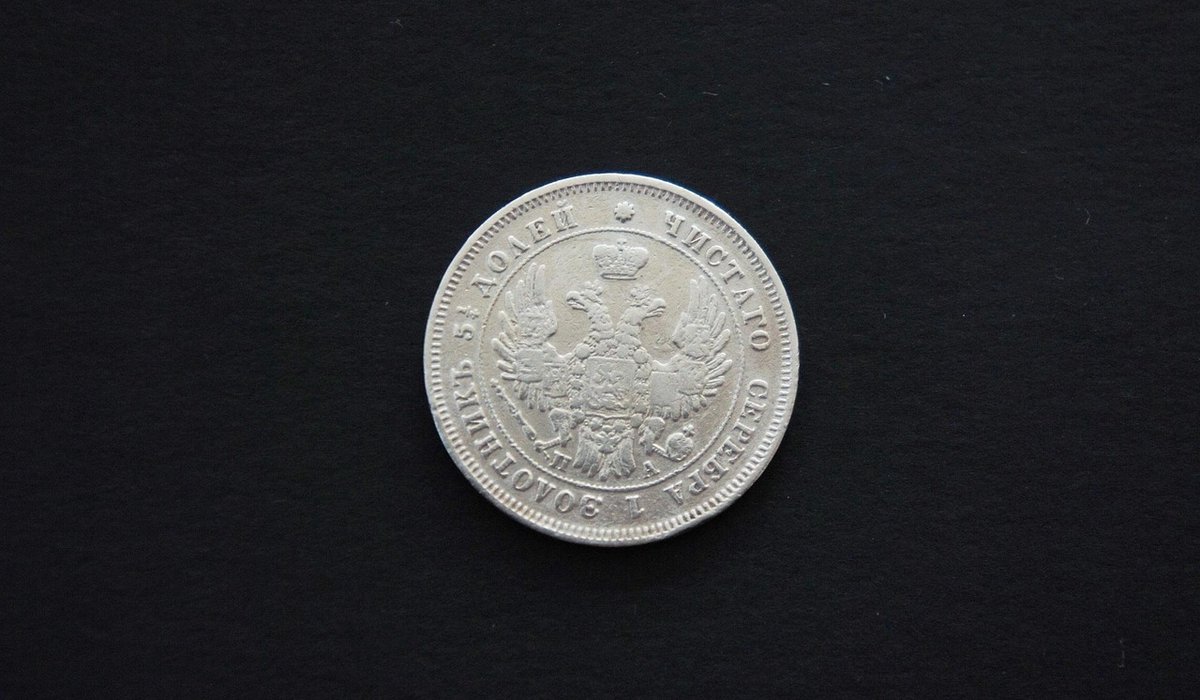
Silver is a reactive metal, and it reacts to the world around it. Trace amounts of sulphur compounds in the air — from wool, rubber, some adhesives, certain paints and even everyday cooking — combine with the surface of a silver coin to form silver sulphide. That shows up first as a faint straw colour, then amber, then blue-grey, and eventually near-black. Collectors call this toning, and on many coins it is genuinely desirable: an even, undisturbed patina is evidence of age and originality, and it can add to a coin's appeal rather than take away from it.
It helps to separate tarnish from actual damage. Scratches, edge knocks, corrosion pits and hairline scratches from a cloth are damage; they cannot be undone. Tarnish is a surface layer that often sits quite stably for decades. The moment you try to remove it, you either strip away original surface or remove metal itself, and both are permanent.
British silver has also changed composition over the years. Coins struck before 1920 are sterling silver, 92.5 per cent fine. From 1920 to 1946 the fineness dropped to 50 per cent, and from 1947 most circulating "silver" became cupronickel, which tarnishes far more slowly. Modern fine-silver issues tone quickly in poor conditions. Knowing roughly what you are handling helps you judge how much protection it really needs.
Handle by the edges, and wear the right gloves
Fingerprints are not just cosmetic. The natural oils and salts on your skin sit on the metal and, over years, can etch a faint copy of your fingertip into the surface. On a bright uncirculated coin, that mark can be visible under a loupe and can affect value considerably.
- Hold the coin by the rim only, between thumb and forefinger, and never slide a thumb across the field to "check" the lustre.
- Wear lint-free gloves. Nitrile or latex-free examination gloves are ideal. Cotton gloves are better than bare hands, but loose fibres can catch on milled edges, so keep them clean and replace them when they fray.
- Work over a padded tray or a soft cloth on a stable table, never over a hard floor. Dropped coins bounce, and an edge nick is forever.
- Keep food, drink and cigarettes well away, and try not to talk directly over an open coin — fine droplets of moisture land on the surface.
Store them dry, and choose your materials carefully
Moisture is the quiet enemy. Aim for a stable relative humidity of roughly 40 to 50 per cent — damp cellars, bathrooms, kitchens, garages and unheated lofts are all poor homes for a collection. Beyond humidity, the materials touching your coins matter just as much as the room they sit in.
- Use rigid coin capsules or inert polyester (Mylar) holders for anything of value. They keep fingers off and let you view the coin without handling it.
- Avoid PVC flips and wallets. Soft PVC gradually breaks down, releasing acidic vapours that leave a greasy film and greenish residue on silver.
- Skip rubber bands, adhesive tape and staples, and use acid-free, sulphur-free envelopes and boxes if you prefer paper storage. Ordinary cardboard and cheap paper can contain sulphur.
- Add silica gel desiccant to cabinets and boxes, and recharge or replace it every few months. It is only useful while it is dry.
Resist the urge to polish or dip
This is the single most common way collectors damage their own coins. A coin that has been harshly cleaned rarely recovers its standing, and an experienced buyer can spot it instantly.
- Never use abrasive metal polish. It removes a microscopic layer of silver along with the tarnish, destroys original lustre and leaves a haze of fine scratches.
- Avoid liquid silver dips. They strip toning unevenly and leave residues trapped in lettering and crevices, which can then cause further reactions.
- Do not reach for household remedies — vinegar, lemon juice, bicarbonate of soda, toothpaste or ammonia all attack the surface in different ways.
- Ultrasonic cleaners are for jewellery, not coins. The vibration can loosen dirt and also lift fragile surface detail.
- Don't rub a coin with a cloth, even a soft one. Wiping is what creates the parallel hairlines that dealers call "cleaning lines".
If a coin simply has loose dust or surface grime on it, a very soft, dry sable or camel-hair brush used gently is usually enough. Anything more ambitious is best left alone.
Watch the environment around your collection
Tarnish is driven by the air, so the surroundings matter. Keep coins away from kitchens, open fires, new carpets, fresh paint and cigarette smoke, all of which release sulphur or other reactive compounds. Wool felt and some leathers contain sulphur too, so avoid lining trays with them. Wooden cabinets can be a problem: oak and certain other timbers give off acetic acid vapours, so store coins in sealed capsules or inert trays inside the cabinet rather than loose on the shelves. Keep temperatures stable and check your collection a few times a year, refreshing desiccant as you go.
When a coin needs more than careful storage
Some situations call for professional help rather than a steady hand. Active corrosion — green spots spreading on copper or bronze — needs treatment to stop it, and the earlier it is caught, the better. Coins of significant value, or those already graded and encapsulated, should be left exactly as they are. If you are unsure, ask a qualified conservator or an experienced specialist dealer before doing anything irreversible. A coin with honest, undisturbed surfaces will always find a buyer. A harshly cleaned one carries the evidence forever.


Coding is used in almost all aspects of life and work now, be it directly or indirectly. It’s not just for companies in the tech sector. “An increasing number of businesses rely on computer code,
Coding is used in almost all aspects of life and work now, be it directly or indirectly. It’s not just for companies in the tech sector. “An increasing number of businesses rely on computer code,
Coding is used in almost all aspects of life and work now, be it directly or indirectly. It’s not just for companies in the tech sector. “An increasing number of businesses rely on computer code,